
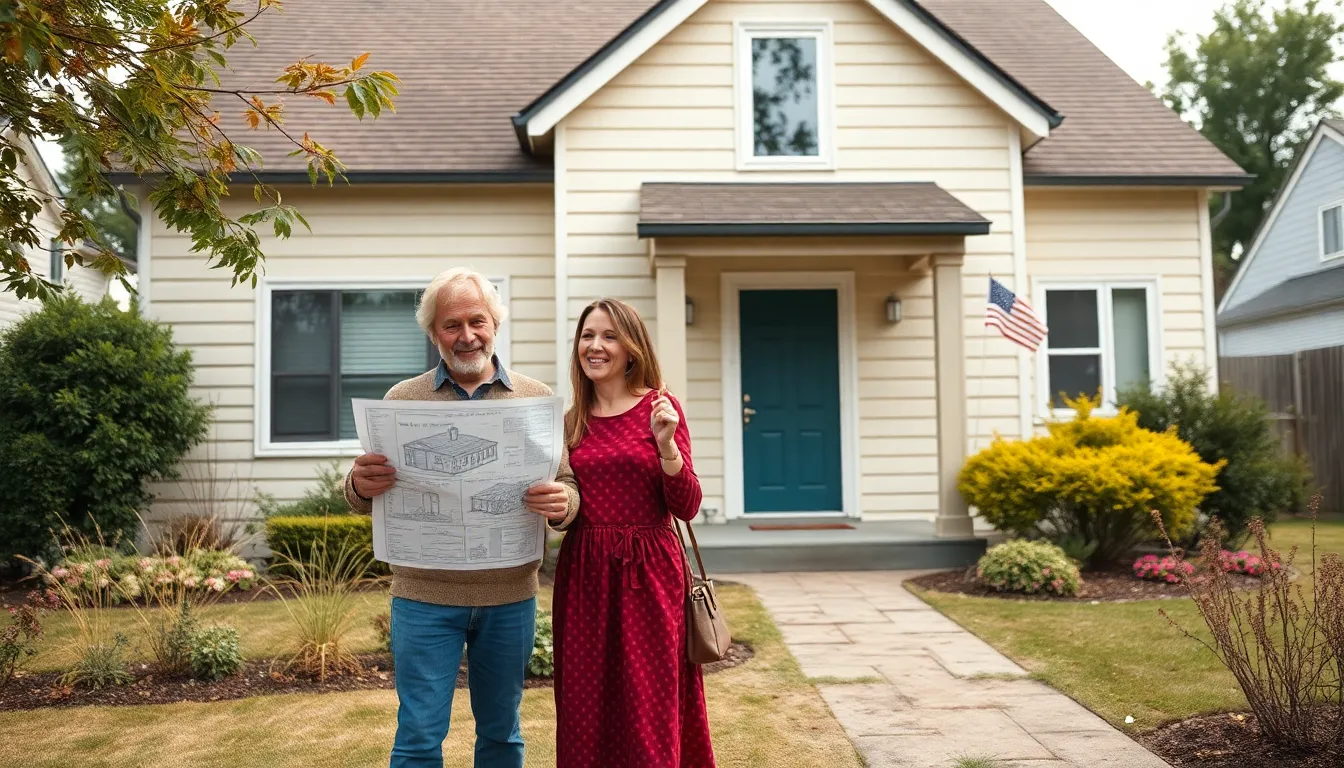
Is your home feeling a bit like a sardine can? If so, it might be time to consider a house expansion. Whether it’s adding an extra bedroom for that elusive guest who keeps promising to visit or creating a spacious kitchen where culinary dreams can flourish, expanding your living space can turn your cramped quarters into a cozy haven.
What Is House Expansion?
House expansion involves modifying or enlarging existing residential structures to meet the changing needs of homeowners. Expanding a house generally enhances living space, making it more functional and comfortable. Common methods include adding rooms, increasing square footage, and remodeling existing areas.
Homeowners often opt for an extra bedroom to accommodate growing families or create guest suites. Adding a larger kitchen improves functionality, allowing for better meal preparation and family gatherings. Many expansions involve outdoor features, such as patios or decks, which extend usable space and enhance entertaining options.
Design choices in house expansion can significantly influence a property’s value. Well-planned modifications can attract potential buyers, providing a return on investment. Increased square footage often leads to higher property assessments and improved resale opportunities.
Local zoning regulations and building codes impact house expansion projects. Each municipality establishes rules governing setbacks, height restrictions, and lot coverage. Homeowners should consult with local authorities or real estate professionals to ensure compliance.
Budgeting remains crucial in any house expansion endeavor. Various factors, including materials, labor costs, and permits, play a role in determining total expenses. Homeowners should prepare for both expected costs and potential fluctuations.
House expansion enhances living quality by providing additional space and improving functionality. It enables homeowners to tailor their residences to meet individual preferences and requirements. Paying attention to regulatory aspects and financial planning ensures successful expansions that optimize living experiences.
Benefits of House Expansion

House expansion offers numerous advantages to homeowners seeking more comfortable living environments. From increased space to higher property value, these benefits significantly enhance daily life.
Increased Living Space
Expanding a home provides essential living space for various activities. Homeowners enjoy extra bedrooms for family members, which accommodates growing households. Larger kitchens create more room for meal preparation and social gatherings. Additional living areas can serve multiple purposes, such as playrooms or home offices. Families appreciate more outdoor space, enabling them to entertain guests or create a relaxing personal retreat. Every added square footage improves overall functionality, allowing families to adapt their homes to better fit their needs.
Enhanced Property Value
Investing in house expansion can significantly increase a property’s market value. Well-planned expansions often attract potential buyers looking for more space. Studies show that additional square footage correlates with higher sale prices. Renovations like larger kitchens or extra bedrooms elevate a home’s appeal and functionality. Moreover, properties with appealing outdoor features, such as decks or patios, also see increased demand. When homeowners expand thoughtfully, they not only improve their living conditions but also make a sound investment for the future.
Types of House Expansion
Homeowners can choose from various types of house expansion to meet their needs, with the most common being horizontal and vertical expansion. Each method has unique advantages and could significantly alter living spaces.
Horizontal Expansion
Horizontal expansion involves extending the existing footprint of the home outward. This option typically includes adding rooms, expanding existing areas, or creating outdoor spaces like patios. A key benefit of this approach is that it provides immediate access to additional square footage without the disruption of a major renovation. For example, a family could add a new bedroom or enlarge a kitchen by extending walls, creating a seamless integration with the current layout. Local building codes often dictate the extent of horizontal expansion, so reviewing regulations is essential.
Vertical Expansion
Vertical expansion allows homeowners to add new levels to their existing structures. This method often involves building upper floors or adding attics, significantly increasing square footage without reducing outdoor space. For instance, converting an attic into a bedroom can create additional living space in an efficient manner. Furthermore, vertical expansion often requires less land disturbance, making it suitable for properties with limited yards. Homeowners should consider structural integrity and zoning laws when pursuing this option to ensure compliance and safety.
Planning Your House Expansion
Planning your house expansion requires careful thought and organization. Homeowners must address permits and regulations to ensure compliance with local laws.
Permits and Regulations
Obtaining the necessary permits is essential before starting any expansion project. Local zoning laws often dictate what changes can occur within a specific area. Homeowners need to consult their city or county planning office to understand building codes and regulations. Ignoring these requirements can result in fines or delays. Working closely with contractors can also clarify the permitting process, ensuring that all documentation is complete and submitted timely. Familiarizing oneself with these regulations saves time and prevents complications during the project.
Budgeting for the Project
Creating a detailed budget allows homeowners to understand the financial implications of a house expansion. Costs can vary significantly depending on project scope and location. Understanding factors like construction materials, labor, and permits is crucial in forming a realistic budget. For instance, home extensions often require additional plumbing and electrical work, which increases expenses. Homeowners should set aside a contingency fund of 10% to 20% for unforeseen costs. Collaborating with a contractor can provide accurate estimates, which aids in financial planning throughout the project.
House expansion offers homeowners a practical solution to enhance their living spaces while increasing property value. By thoughtfully planning and executing expansions, individuals can create environments that cater to their evolving needs. Whether opting for horizontal or vertical growth, careful consideration of local regulations and budgeting ensures a smooth process.
Investing in additional square footage not only improves comfort but also makes homes more appealing to potential buyers. With the right approach and planning, house expansion can transform a cramped residence into a spacious haven, ultimately elevating the quality of life for those who live there.


